Seafood Industry Victoria (SIV) is a not-for-profit, non-government organisation. SIV is the representative peak body for the Victorian seafood industry with a membership encompassing a broad range of stakeholders from across the seafood supply chain.
SIV aims to continue building and informing an ecologically sustainable and thriving seafood industry valued by the Victorian community.
SIV aims to continue building and informing an ecologically sustainable and thriving seafood industry valued by the Victorian community.
YOUR SEAFOOD INDUSTRY
SIV’s focus is to bring prominence to the people, places and products of the Victorian seafood industry, showcasing the diversity of knowledge and skills of the hard working members of your community who put fresh, local seafood on your plate. This united industry spans generations, ethnicities and regions - it deserves recognition and celebration!
Sustainability and Responsibility |
Local and
|
SUPPORTING communities |
|
|
|
|
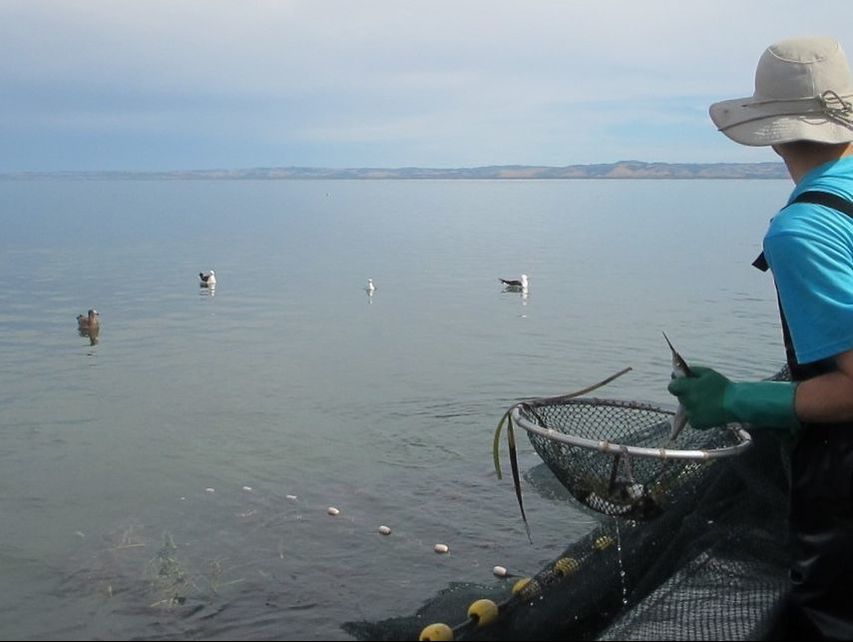
The Victorian seafood industry proudly practices sustainable fisheries management and is taking proactive measures to ensure a catch for tomorrow.
|
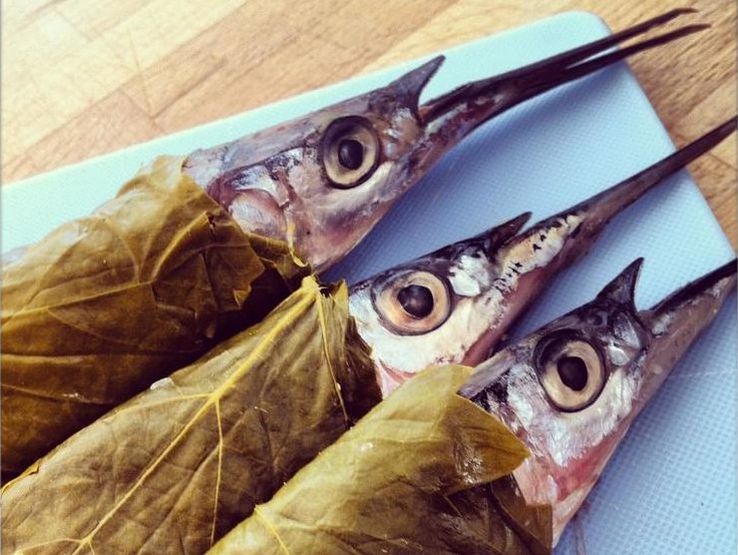
Victorian harvested seafood is a local source of healthy food. Seafood has a relatively low carbon footprint compared to many other protein sources.
|
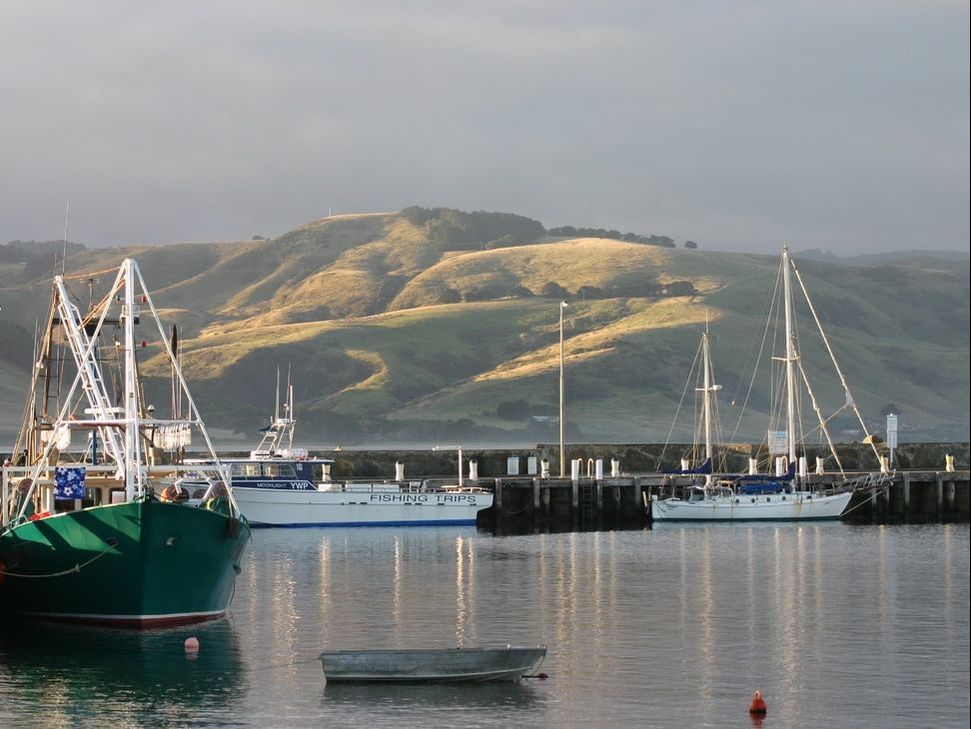
For over 150 years Victorian seafood harvesters and their small businesses have been part of the fabric and economy of Victorian coastal communities.
|
news
victorian seafood industry awards
SIV is delighted to host the Victorian Seafood Industry Awards in May 2024. We encourage seafood industry members to celebrate contributions within the industry by nominating their peers for awards. There are also award sponsorship opportunities for businesses wishing to have their support for industry recognised.
To learn more and secure your tickets to a fun evening of networking and celebrating achievements please reach out to admin@siv.com.au.
To learn more and secure your tickets to a fun evening of networking and celebrating achievements please reach out to admin@siv.com.au.
best practice guidelines - live lobster handling
SIV is the Victorian member for Southern Rock Lobster Ltd, which is the entity that manages the R&D funds contributed by SRL fishers and quota holders to undertake projects for the benefit of the wider industry .
SRL Ltd recently released a wheelhouse guide for on vessel management of live Southern Rock Lobster. The intuitive and easy to follow document is designed to assist commercial fishers in adopting best practices when handling live lobster.
A copy of the guidelines can be found at the following link:
On vessel management of SRL - best practice guide
SRL Ltd recently released a wheelhouse guide for on vessel management of live Southern Rock Lobster. The intuitive and easy to follow document is designed to assist commercial fishers in adopting best practices when handling live lobster.
A copy of the guidelines can be found at the following link:
On vessel management of SRL - best practice guide
COUNTRY OF ORIGIN LABELLING
State Governments around Australia unanimously supported a change in Australian Consumer Law for the implementation of Country of Origin Labelling (CoOL) in hospitality settings.
This change will empower those consumers who prioritise making informed choices about the seafood they purchase. We know that many Victorians’ support local seafood products based on perceptions of them being fresh and high quality. This is turn supports our industry continuing to play a key role in securing our food base, creating employment opportunities and boosting economic activity in regional communities.
SIV have been proud to advocate for this important change and wish to acknowledge the efforts of all those who contributed. The new legislation is scheduled for implementation in 2025, following a transition period and education campaign.
This change will empower those consumers who prioritise making informed choices about the seafood they purchase. We know that many Victorians’ support local seafood products based on perceptions of them being fresh and high quality. This is turn supports our industry continuing to play a key role in securing our food base, creating employment opportunities and boosting economic activity in regional communities.
SIV have been proud to advocate for this important change and wish to acknowledge the efforts of all those who contributed. The new legislation is scheduled for implementation in 2025, following a transition period and education campaign.
research & DEvelopment
SIV is a member of the Research Advisory Committee (RAC) that informs the Fisheries Research and Development Corporation (FRDC) of priority areas for research investment for the Victorian seafood industry.
SIV put forward the following research priorities for the November open call for investment:
SIV also supported the following priorities raised by others based on relevance to our members.
SIV put forward the following research priorities for the November open call for investment:
- Impacts of electromagnetic fields associated with offshore wind infrastructure on commercially important marine species
- Impacts of seismic arrays on Southern Rock Lobster in shallow near-shore environments
SIV also supported the following priorities raised by others based on relevance to our members.
- VIC - Determine the risk that Southern Rock Lobster fishing acts as a vector of transmission of the Abalone Viral Ganglioneuritis (AVG)
- QLD - Behaviour change approaches for improving the collection of recreational fishing data for high priority species
- NSW - Guiding development of harvest strategies for data-limited fisheries with multiple stocks, sectors, and objectives
ROCK LOBSTER CODE OF PRACTICE
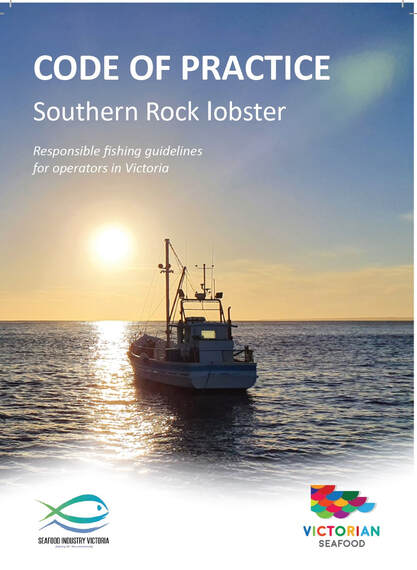
SIV’s role includes facilitating industry led initiatives, a recent example of which is a Code of Practice for the Southern Rock Lobster fishery. This project aimed at promoting responsible management of the resource and outlining what actions industry are undertaking to protect a healthy ecosystem. Click on the image below to access the full document.
SKILLS AND WORKFORCE ANALYSIS
SIV recently completed a study to better understand the demand for occupations, education and training directed to meeting current workforce issues facing the Victorian seafood industry. The analysis provided guidance on strategies through a series of recommendations for future focus and funding, including:
Skills and workforce analysis for Seafood Industry Victoria
- Contribution to the design of fit-for-purpose training and courses
- Creation of multi skilled qualifications
- Raising awareness of career pathways in seafood with a younger generation
- Supporting students visiting local innovators to see work opportunities first hand
- Incentivising local businesses to offer on-the-job training of practical skills
- Improving job matching services
Skills and workforce analysis for Seafood Industry Victoria
STAY AFLOAT
Funding from the Australian Government Department for Health and Ageing has seen a national expansion of the Seafood Industry Mental Health and Wellbeing support Program – Stay Afloat. To deliver the national Stay Afloat program, Seafood Industry Australia have recruited Co-ordinators to lead the roll-out in each region with Skye Barrett being announced as the Victorian State Coordinator.
Skye has met with some of our seafood community members already, and will be making an effort to meet with fishers and farmers all over the coming years of the program. In the meantime, if you wish to have a chat or learn more about how you can get involved then Skye can be contacted anytime through the details below.
Skye Barrett, Vic Regional Coordinator – Stay Afloat
vic@stayafloat.com.au
Skye has met with some of our seafood community members already, and will be making an effort to meet with fishers and farmers all over the coming years of the program. In the meantime, if you wish to have a chat or learn more about how you can get involved then Skye can be contacted anytime through the details below.
Skye Barrett, Vic Regional Coordinator – Stay Afloat
vic@stayafloat.com.au

Sunderland marine
For those who may not be familiar with Sunderland Marine, they are a commercial marine insurer specialising in insurance for fishing, coastal and other specialist vessels. They provide Hull, Machinery and P&I Insurance to protect your interests against claims from third parties and other associated costs arising out of the ownership or operation of your vessel. This includes claims resulting from injured crew and passengers or damage to third party property.
Sunderland Marine also provide Aquaculture insurance for fish farms including stock mortality, equipment, and workboats.
For more information or to request a quote contact Sunderland Marine on (03) 9650 6288 or contact your local broker.
Sunderland Marine also provide Aquaculture insurance for fish farms including stock mortality, equipment, and workboats.
For more information or to request a quote contact Sunderland Marine on (03) 9650 6288 or contact your local broker.